The 2026 Guide to Scarlet Macaws in Costa Rica | Where to Find Them
The Scarlet Macaw, known locally as the Lapa Roja, is arguably the most spectacular and recognizable bird in Central America. Famous for their vibrant red, blue, and yellow plumage and their loud, raucous calls, these massive parrots are a shining symbol of successful wildlife conservation in Costa Rica's Central Pacific.
Scarlet Macaw Quick Facts
| Attribute | Details |
|---|---|
| Scientific Name | Ara macao |
| Diet | Herbivore / Frugivore (Specializes in hard seeds, nuts, and tropical fruits) |
| Conservation Status | Least Concern globally, but fiercely protected by Costa Rican law |
| Best Time to Spot | Early morning (6:00 AM - 8:00 AM) and late afternoon just before sunset |
Where to Find Scarlet Macaws in Costa Rica
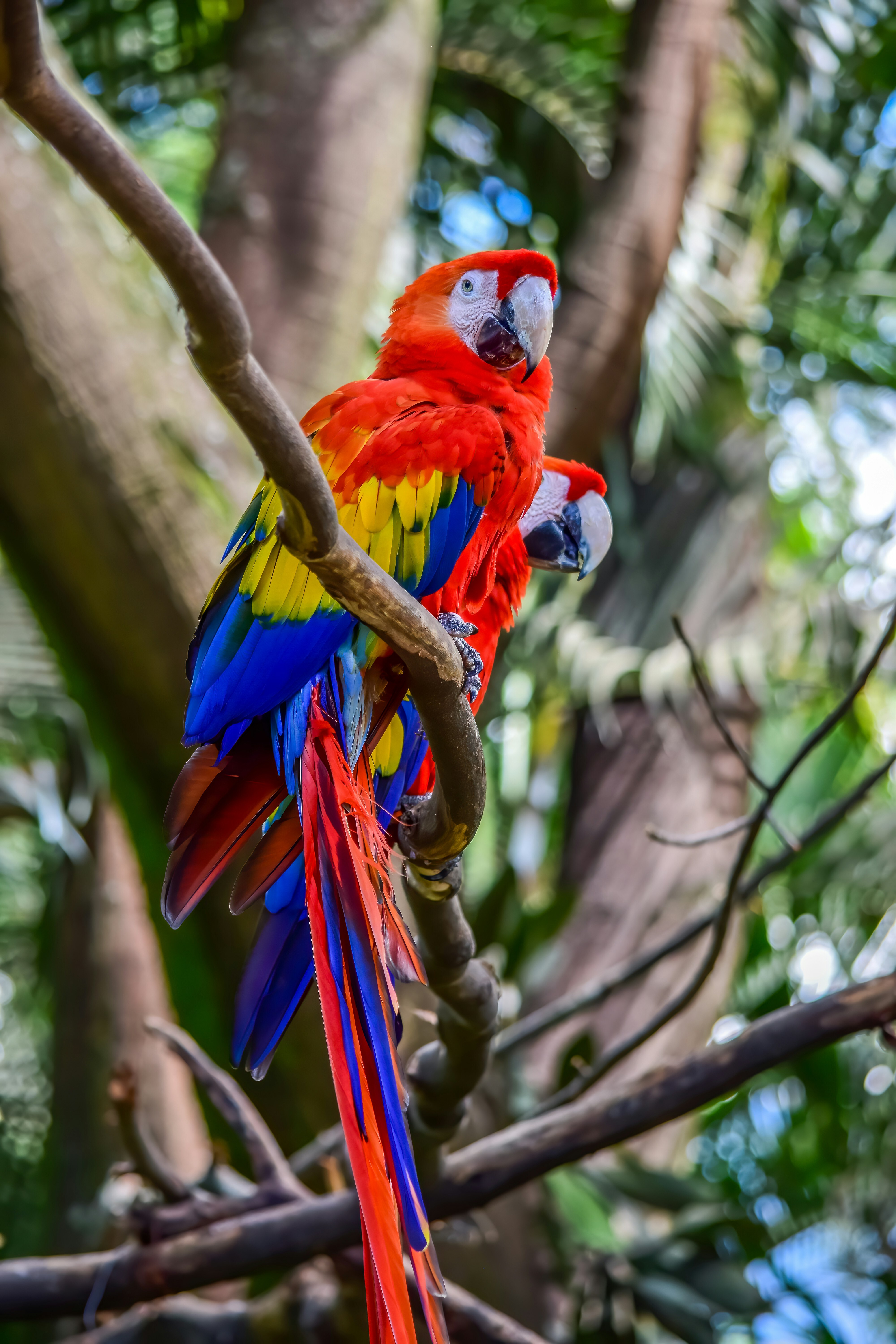
If you are researching where to see scarlet macaws in Costa Rica, look no further than the Central Pacific coast. The coastal areas surrounding Jacó, Herradura, and the Tárcoles River are the absolute best hotspots in the country to witness these birds in the wild.
Because this region acts as a transitional zone between the tropical dry forests of the north and the lush, humid rainforests of the south, it provides the perfect year-round habitat. Carara National Park macaws are particularly famous, as this specific reserve protects one of the most critical breeding populations left in Central America.
Behavior & Fun Facts
Beyond their stunning appearance, learning a few scarlet macaw Costa Rica facts makes spotting them even more rewarding:
- Fact 1: They are fiercely monogamous. Scarlet Macaws mate for life and are almost always seen flying in pairs, communicating constantly with loud squawks to keep track of one another.
- Fact 2: Their beaks are incredibly powerful. A macaw can exert enough bite pressure to easily snap a broomstick in half, allowing them to crack open dense nuts that other rainforest animals cannot access.
- Fact 3: They possess a highly specialized tongue. Inside that powerful beak is a scaly, bone-filled tongue used to perfectly manipulate and extract seeds from hard shells.
Best Tours to See Scarlet Macaws in the Wild
While you might catch a lucky glimpse of a macaw flying over your hotel in Jacó, the best way to truly observe their feeding behaviors and nesting habits is by booking professional Costa Rica birding tours. A certified naturalist guide carries high-powered spotting scopes, allowing you to see the intricate details of their feathers from hundreds of feet away.
For the ultimate experience, the Carara National Park Tour is unmatched, offering access to prime nesting territories under the canopy. Alternatively, our Private Birding Tour provides a tailored, quiet expedition perfect for serious photographers wanting to capture the perfect shot without disturbing the wildlife.
Ethical Tourism Guarantee: Adventure Tours Costa Rica is committed to protecting our local wildlife. We enforce strict "no feeding" policies and ensure all viewing is done from a respectful, safe distance to avoid causing stress to nesting pairs. Flash photography is prohibited in dense forest areas.
Ready to see Scarlet Macaws in their natural habitat? Contact Adventure Tours Costa Rica to book a guided wildlife experience with our certified naturalists!
Frequently Asked Questions
Where is the best place to see Scarlet Macaws in Costa Rica?
The Central Pacific coast, specifically around Jacó and the Carara National Park, is the absolute best place to see Scarlet Macaws in Costa Rica. This region is a vital transitional zone that houses one of the largest wild populations of these birds in Central America.
What do Scarlet Macaws eat in the wild?
Scarlet Macaws are primarily frugivores and granivores. Their incredibly strong beaks allow them to crush hard nuts and seeds, but they are also famous for feeding heavily on the fruits of the coastal Beach Almond tree (Almendro de Playa).
Do Scarlet Macaws really mate for life?
Yes, Scarlet Macaws are strictly monogamous and mate for life. You will almost always see them flying in pairs, with their wings nearly touching as they navigate the rainforest canopy together.
Are Scarlet Macaws endangered in Costa Rica?
While they were once highly threatened due to poaching and deforestation, intense conservation efforts have helped their numbers rebound significantly in the Central and South Pacific regions of Costa Rica. They are heavily protected by local laws.
