Browse All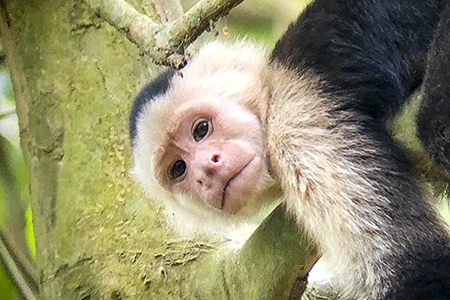
Monkey Spotting in Manuel Antonio, Costa Rica: 2026 Guide
Manuel Antonio, Costa Rica is one of the best places in the world to see monkeys in the wild. Four species live here — white-faced capuchins, squirrel monkeys, spider monkeys, and howlers — and you can spot them both inside Manuel Antonio National Park and on a boat tour through the nearby Damas Mangroves. This guide covers where to find them, how to spot them, and how to interact safely.
The 4 Monkey Species You Can See
| Species | How to recognize it | Where you'll see it |
|---|---|---|
| White-faced capuchin | Black body, pink-white face, very curious | Park trails & Damas Mangroves |
| Central American squirrel monkey | Small, orange-backed, endangered (mono tití) | Park canopy, in troops |
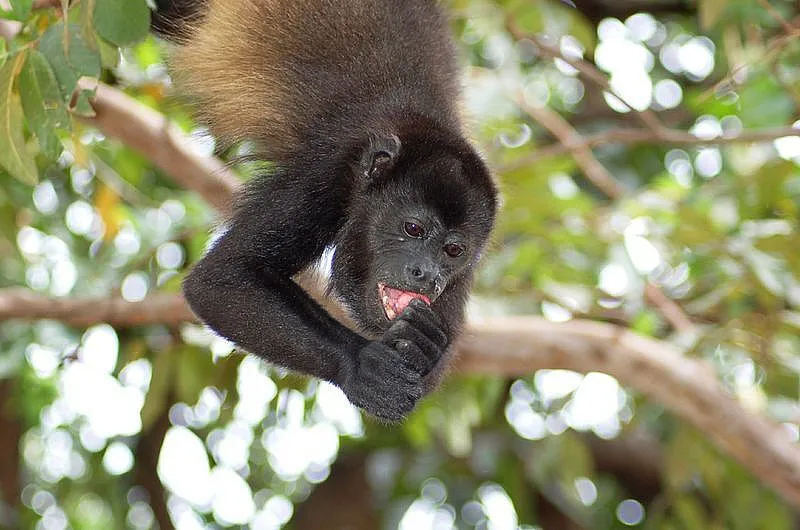
| Mantled howler | Large, black, loud booming calls | High in the park canopy |
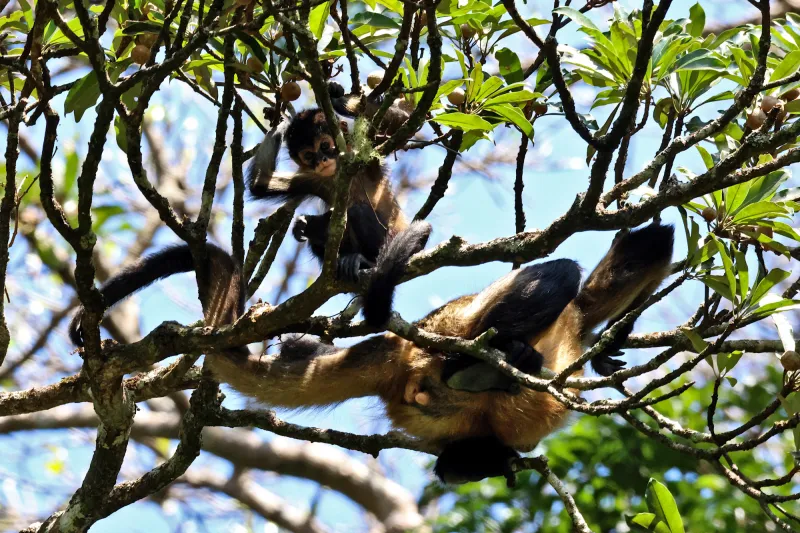
| Spider monkey | Long limbs, prehensile tail, acrobatic | Tall trees in the park |
Where to Spot Monkeys
The first must-visit spot is Manuel Antonio National Park, a protected rainforest teeming with wildlife. All four monkey species live here, including the endangered gray-crowned squirrel monkey (the mono tití), which is rarely seen anywhere else on earth. You'll often spot them swinging through the trees or foraging on the forest floor.
The second great location is the Damas Mangroves in Quepos. On a guided boat tour through the canals, the charismatic capuchins are known to descend from the treetops and hop aboard to interact with visitors — a true once-in-a-lifetime encounter.
How to Spot Monkeys
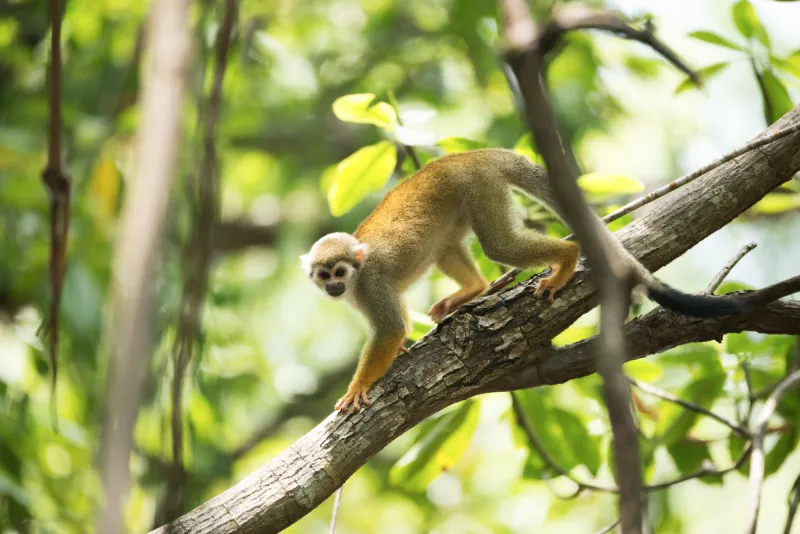
While you can find monkeys on your own, it's highly recommended to go with a naturalist guide. Guides understand the local ecosystem and lead you to the most productive areas for sightings, while explaining behavior, habitat, and conservation.
Equipped with binoculars and spotting scopes, expert guides can find monkeys hidden in dense foliage even at a distance. They also share insider knowledge and interpret the behavior you witness, so you learn as you watch. For the best monkey-spotting experience, trust a professional guide to make the most of your time.
How to Interact With Monkeys Safely
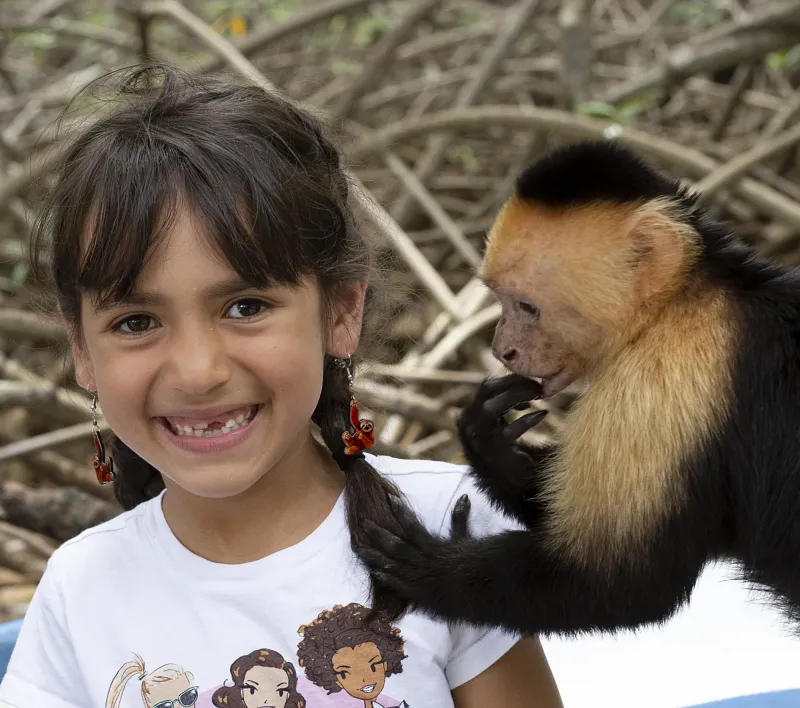
On the guided Monkey Mangrove Tour, white-faced capuchins often come aboard the boat and interact directly with visitors. The golden rule: let the monkeys set the pace and always let them initiate contact.
As tempting as it is to reach out, wait for the monkeys to come to you — that's what makes the encounter unforced and delightful. Keep your movements slow and gentle so the monkeys feel relaxed and confident enough to behave naturally.
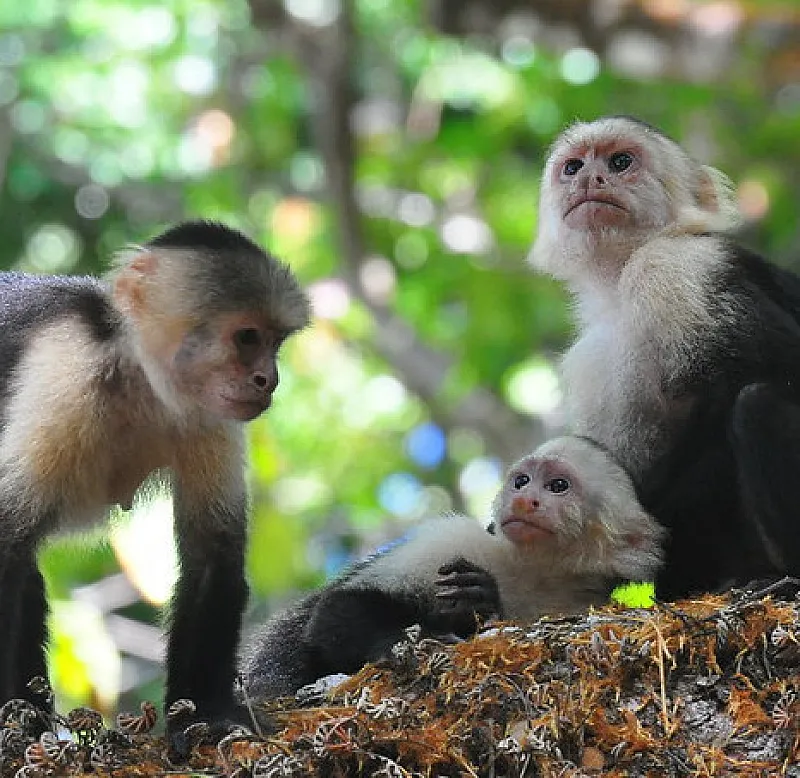
Remember they're still wild animals, however playful and curious. Never feed them, and follow your guide's hands-on instruction throughout. These encounters are much rarer on a park hike, where monkeys stay high in the canopy — but if one approaches, follow the same guidelines and heed your guide.
By respecting their space and listening to your naturalist guide, visitors of all ages can enjoy a safe, memorable encounter with the monkeys of Manuel Antonio.
Ready to meet the monkeys of Manuel Antonio in 2026? Book a Monkey Mangrove Tour with Adventure Tours Costa Rica and we'll get you up close — safely and responsibly.
Frequently Asked Questions
Are there monkeys in Manuel Antonio?
Yes. Manuel Antonio is one of the few places where all four of Costa Rica's monkey species live: white-faced capuchins, Central American squirrel monkeys, mantled howlers, and spider monkeys.
Where is the best place to see monkeys in Manuel Antonio?
The two best spots are Manuel Antonio National Park, where all four species live, and the Damas Mangroves in Quepos, where capuchins often board the boat on a guided tour.
What kinds of monkeys live in Manuel Antonio?
Four species: the white-faced capuchin, the endangered Central American squirrel monkey (mono tití), the mantled howler, and the spider monkey.
Is it safe to interact with the monkeys?
Yes, when you follow your guide's instructions. Let the monkeys initiate contact, keep movements slow, never feed them, and remember they are wild animals. A naturalist guide ensures the encounter is safe for you and the monkeys.
Do I need a guide to see monkeys in Manuel Antonio?
No, but a guide greatly improves your chances. Naturalist guides use binoculars and spotting scopes to find monkeys hidden in the canopy and explain their behavior, making the experience richer and more reliable.