The 2026 Guide to Roosterfish in Costa Rica | Inshore Fishing
The Roosterfish, known locally as the Pez Gallo, is the undisputed king of inshore fishing Costa Rica has to offer. Recognized globally by its iconic, comb-like dorsal fin, this legendary marine predator is a bucket-list trophy for sport fishing enthusiasts visiting the Central Pacific coast.
Roosterfish Quick Facts
| Attribute | Details |
|---|---|
| Scientific Name | Nematistius pectoralis |
| Diet | Carnivore (Feeds on smaller baitfish like mullet, sardines, and lookdowns) |
| Conservation Status | Protected sport fish (Strictly Catch-and-Release) |
| Best Time to Spot | Year-round, with high activity during changing tides |
Where to Find Roosterfish in Costa Rica
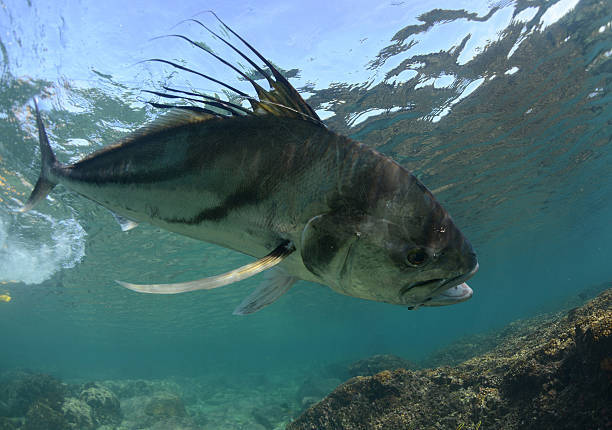
If you are looking for the ultimate Roosterfish Costa Rica experience, the Central Pacific is your prime destination. Unlike deep-sea pelagic fish that roam the open ocean, the Pez Gallo hugs the coastline. They thrive in shallow waters, typically ranging from 10 to 50 feet deep.
You will find the highest concentrations of Roosterfish patrolling the rocky outcroppings, river mouths, and sandy surf breaks between Herradura, Jacó, and Manuel Antonio. The nutrient-rich waters near the Gulf of Nicoya also provide an endless buffet of baitfish, keeping these apex inshore predators incredibly active all year.
Behavior & Fun Facts
The sheer power and unique biology of the Pez Gallo make it a legendary catch:
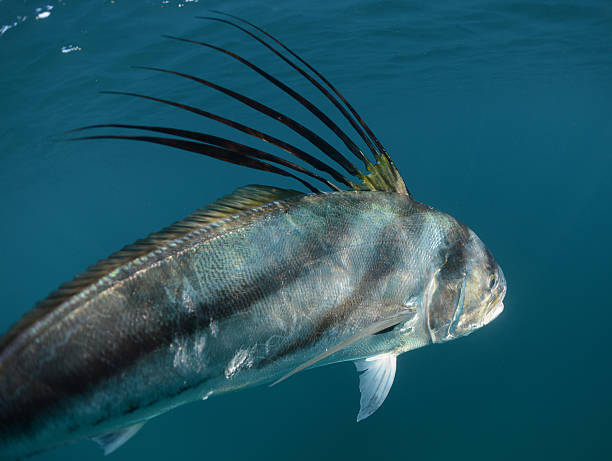
- Fact 1: The "Rooster" Comb. Their name comes from their seven long dorsal spines that shoot out of the water when they are agitated or hunting, looking exactly like a rooster's comb cutting through the surface.
- Fact 2: They are resident fish. Roosterfish do not migrate. If you find a rocky reef that holds Roosterfish, there is a very high probability they will be there year-round.
- Fact 3: Pound-for-pound fighters. When hooked, they are infamous for their erratic, explosive changes in direction. Unlike billfish that rely on speed, Roosterfish use their broad sides and sheer muscle to fight, often pulling drag right up until the boat.
Best Tours to Explore Roosterfish Habitats
While serious anglers will charter dedicated inshore sport fishers to catch them, you don't necessarily have to hold a rod to experience the stunning coastal habitats where these fish hunt. The rocky shorelines and vibrant reefs they call home are best explored from the water.
You can cruise right through prime Pez Gallo territory on our Manuel Antonio Jet Ski Tour, which gets you up close to the hidden coves and rocky points where they feed. For a more relaxed experience navigating the same rich Pacific waters, our Manuel Antonio Catamaran Tour and the exclusive Tortuga Island Private Tour offer incredible opportunities to spot bait-balls breaking the surface as Roosterfish and dolphins hunt from below.
Ethical Tourism Guarantee: Adventure Tours Costa Rica strictly promotes a catch and release policy for all Roosterfish. If you are fishing in our waters, it is vital to keep the fish in the water as much as possible during unhooking and photography to ensure this magnificent species continues to thrive for future generations.
Ready to explore the vibrant marine life of the Central Pacific? Contact Adventure Tours Costa Rica to book your ultimate ocean adventure today!
Frequently Asked Questions
Where is the best place to find Roosterfish in Costa Rica?
The Central Pacific coast, particularly around the rocky outcroppings of Jacó, Herradura, and the Nicoya Peninsula, is globally recognized as one of the best locations for inshore fishing to target Roosterfish.
What is the best time of year to catch Roosterfish in Costa Rica?
Roosterfish do not migrate, making them a fantastic year-round target. However, many anglers find the bite exceptionally strong during the green season (May through November) when river runoff pushes baitfish into the ocean.
Can you eat Roosterfish?
Roosterfish are strictly a catch-and-release species. Not only is it considered unethical to harvest them in Costa Rica's sport fishing community, but their dark, heavily muscled meat is notoriously poor table fare.
What is the best bait for catching Pez Gallo?
Live bait is absolutely the best way to catch a Roosterfish. They aggressively strike live Lookdowns (Moonfish), Blue Runners, and Mullet trolled slowly near the surf line.
